Attics demand a careful, heat-aware approach. MK Electric Man routes and protects every run so your lighting, fans, and circuits stay safe in the toughest space in the house.
The attic is where much of a home's wiring lives, yet it's also the harshest environment for cable — high heat, tight clearances, and loose insulation all work against a sloppy install. Professional Attic electrical wiring means runs are supported, derated for temperature, and kept clear of hazards so the system stays safe for the long haul. We treat the attic with the same precision as any finished room.
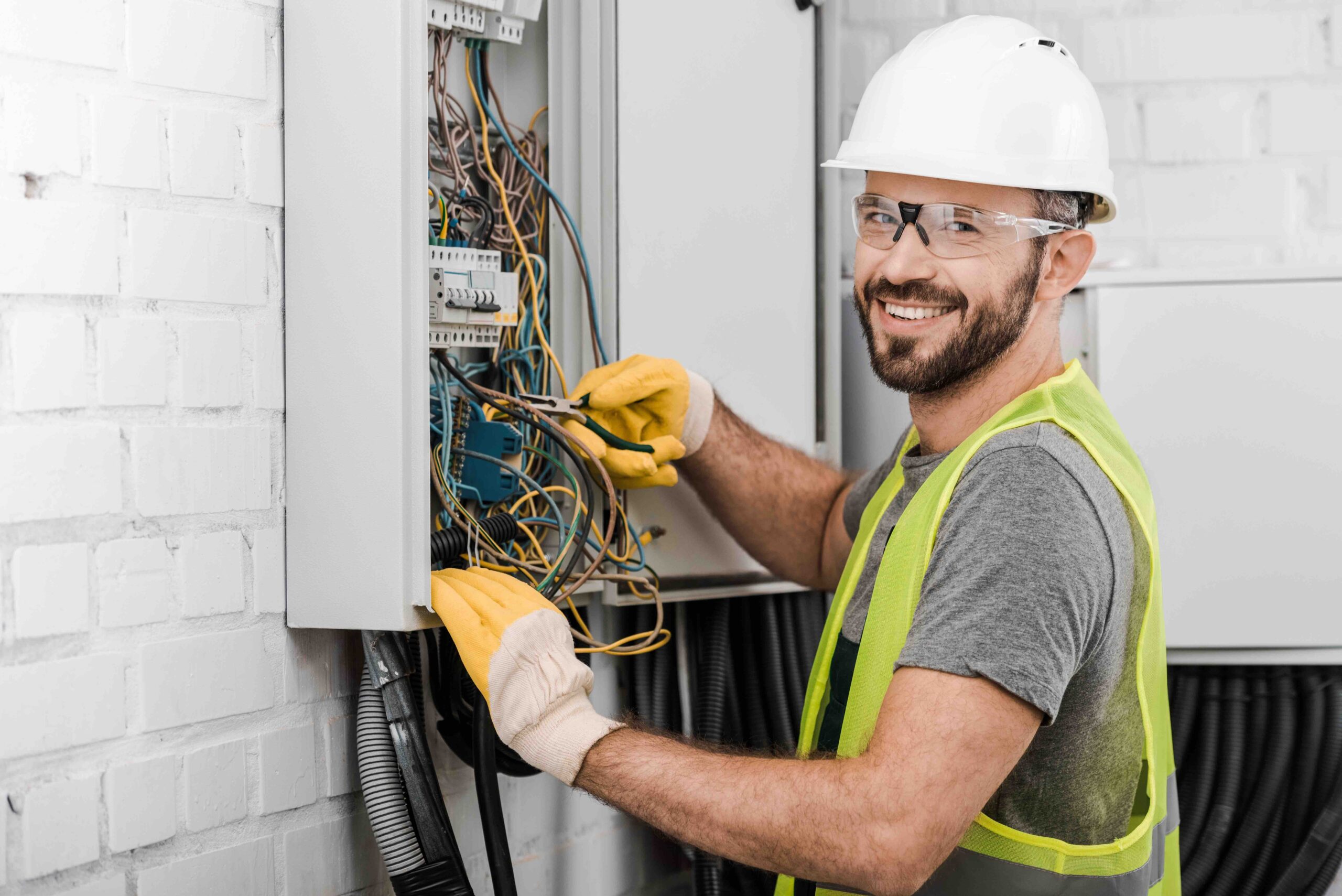
Working overhead in a hot, confined space takes care and the right materials. Our attic work is planned to protect both the wiring and anyone who enters the space later. A typical job includes:
Heat is the enemy of electrical wiring. Cable that isn't rated and routed correctly can degrade over time, and buried junctions create hidden fire risk. We follow clearance and derating rules closely, so your attic circuits run cool, accessible, and dependable — and pass inspection without rework. An attic can swing far hotter than the rooms below it, and that ambient temperature directly reduces how much current a conductor can safely carry. Ignoring that derating is one of the most common reasons attic circuits run warm, age prematurely, or trip without an obvious cause, which is exactly why we plan for the heat instead of around it.
Every attic job starts with an assessment of the space — the framing, the depth and type of insulation, existing runs, and where new cable needs to land. From there we plan routes that keep wiring supported along joists and rafters, protected wherever it crosses a walkable area, and clear of anything that generates additional heat. We secure cable at proper intervals, keep it out of the insulation where the code calls for it, and set junction boxes where they remain reachable for future service rather than swallowed by blown-in fill. When we add lighting, an attic fan, or a new storage-room circuit, we test the load and confirm the protection at the panel before we close anything up. Working overhead in a confined, sweltering space is uncomfortable, but doing it carefully is what separates a safe install from a future problem.
The right materials make an attic install last. We choose conductors and protection sized for the derated ambient temperature, use boxes and connectors suited to the environment, and add physical guard strips or running boards where cable could be stepped on near an access hatch. Boxes stay accessible and covered, splices are never left loose, and clearances around recessed fixtures and any heat-producing equipment are respected so insulation can't pack against something that runs warm. These details follow the National Electrical Code, but more importantly they keep a space most homeowners rarely enter from quietly becoming a fire risk.
Flickering attic lights, an attic fan that won't run, scorched insulation near cables, or wiring draped loosely across joists all point to attic work that needs a professional touch. Add to that list warm-feeling cable, a breaker that trips on hot afternoons, exposed splices without a box, or staples that have pinched the insulation on a run — each is a sign the attic was wired without respect for the conditions up there. We'll assess what's up there and correct it to a first-class standard so the system stays safe through every season.
Want the full picture of what we offer? Explore all of our electrical services and call our team to get started.